


Do You Need a Crown? 5 Signs to Watch For
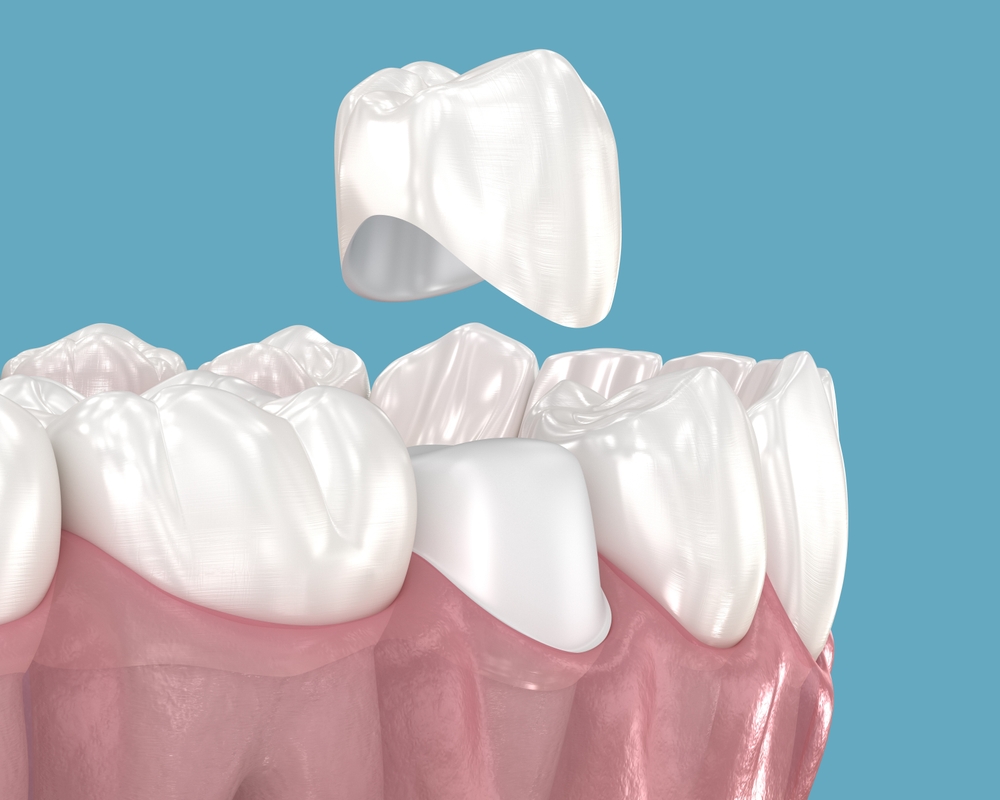
Dental crowns are one of the most common restorative treatments in dentistry. A crown is designed to cover, protect, and restore a damaged tooth so it can function normally again. If you’ve been experiencing discomfort, changes in your tooth’s appearance, or recurring dental issues, your tooth may be signaling that it needs extra protection. Below are five key signs that a dental crown may be the right solution.
1. A Cracked, Chipped, or Broken Tooth
Teeth can crack or chip due to trauma, biting down on something hard, or years of wear and tear. While small chips can sometimes be repaired with bonding, larger cracks or fractures often require a crown.
A crown fully encases the damaged tooth, preventing the crack from spreading and restoring its strength. Without treatment, a cracked tooth can worsen over time, potentially leading to infection or tooth loss.
What to watch for:
Sharp edges on a tooth
Pain when biting or chewing
Sensitivity that comes and goes
2. A Large Cavity or Extensive Filling
When a cavity becomes too large, a traditional filling may not be enough to support the remaining tooth structure. Teeth that have had multiple fillings over the years are especially prone to weakening.
In these cases, a crown provides reinforcement by holding the tooth together and protecting it from further decay or fracture.
What to watch for:
A filling that feels loose or uncomfortable
Recurrent decay around an old filling
Tooth structure that looks thin or worn
3. Persistent Tooth Sensitivity or Pain
Occasional sensitivity to hot or cold can be normal, but ongoing or worsening sensitivity may indicate deeper damage within the tooth. This could be due to enamel loss, cracks, or decay nearing the nerve.
A crown can act as a protective barrier, reducing sensitivity and preventing additional irritation. If left untreated, the problem could progress and require more extensive treatment, such as a root canal.
What to watch for:
Pain when chewing
Lingering sensitivity to temperature
Discomfort that doesn’t improve
4. After a Root Canal Treatment
Teeth that have undergone a root canal are more fragile than healthy teeth. Because the nerve and blood supply are removed, the tooth can become brittle and more likely to fracture.
Placing a crown after a root canal is often recommended to restore strength and protect the tooth long-term. In many cases, this step is essential to ensure the success of the treatment.
What to watch for:
A tooth that feels weaker after a root canal
Concerns about long-term durability
Changes in how the tooth feels when biting
5. A Worn-Down or Misshapen Tooth
Teeth grinding (bruxism), acid erosion, or natural aging can cause teeth to wear down over time. When this happens, teeth may become shorter, uneven, or less functional.
A crown can rebuild the tooth’s original shape and size, improving both function and appearance. This is especially important for maintaining proper bite alignment and preventing jaw discomfort.
What to watch for:
Teeth that look shorter or flatter than before
Uneven bite or jaw soreness
Noticeable changes in your smile
How Dental Crowns Help
Modern dental crowns are custom-made to blend seamlessly with your natural teeth. They are designed to:
Restore strength and stability
Improve appearance and symmetry
Protect against further damage
Allow normal chewing and speaking
With today’s materials, crowns can look and feel very natural while providing long-lasting protection.
Find Out If a Dental Crown Is Right for You
If you’re experiencing tooth pain, damage, or ongoing sensitivity, your tooth may be telling you it needs more than a simple repair. Dental crowns are a reliable way to protect weakened teeth, restore function, and prevent more serious problems down the road.
If you have concerns about a damaged tooth, schedule a dental exam at Above & Beyond Dental to learn if a dental crown is right for you. Visit our office in Bedford, Texas, or call (817) 571-1667 to book an appointment today.
Quick Links
Helpful Articles


Interested in our Services?
Request appointment with this form to schedule a time with our professional staff!
Address: 2307 Central Dr.
Bedford, TX 76021
Bedford, TX 76021
Phone: (817) 571-1667
- Monday8:30 am - 7:00 pm
- Tuesday8:30 am - 7:00 pm
- Wednesday8:30 am - 7:00 pm
- Thursday8:30 am - 7:00 pm
- Friday8:30 am - 7:00 pm
- SaturdayBy Appointment Only
- SundayClosed
Powered by: